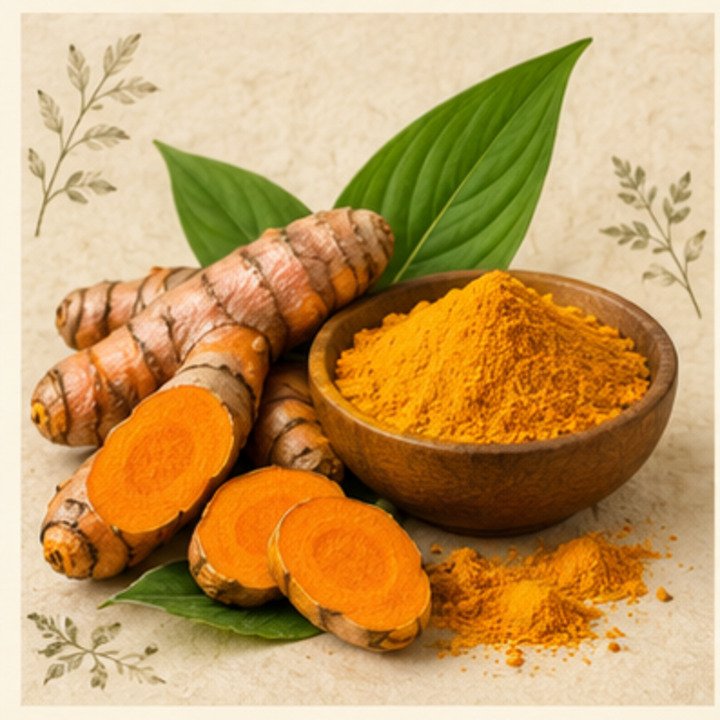
1Turmeric (Haldi)
Curcuma longa
Turmeric is a familiar Indian spice. Curcumin-containing extracts have been studied most often for inflammation-related symptoms, including some osteoarthritis pain.
Ten well-known Indian herbs and supplements—explained with traditional context, current research, practical safety information and responsible-use guidance.
These articles use “commonly studied for” rather than “cures.” Evidence varies by product, dose and condition, and no supplement should replace appropriate medical care.
Curcuma longa
Turmeric is a familiar Indian spice. Curcumin-containing extracts have been studied most often for inflammation-related symptoms, including some osteoarthritis pain.
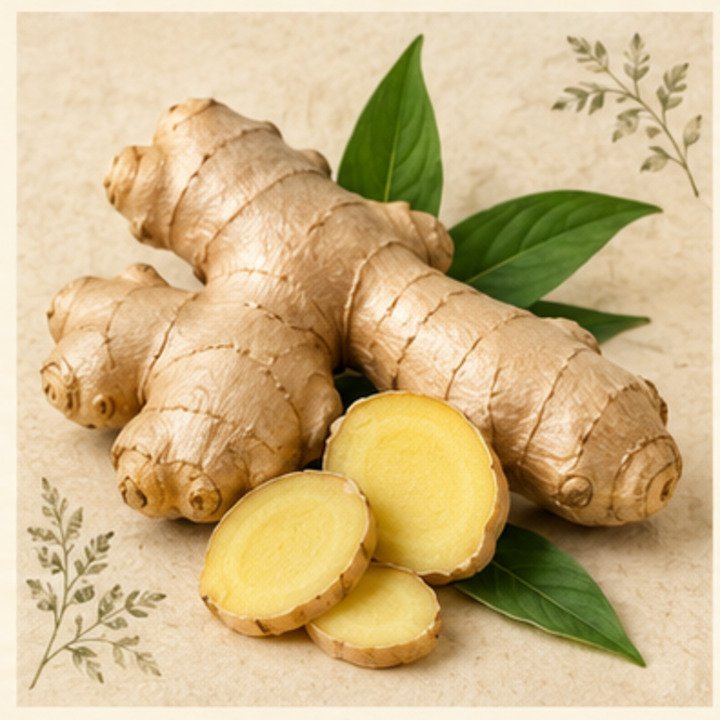
Zingiber officinale
Ginger is used in food, tea and traditional preparations. Research most consistently supports a possible role in reducing certain types of nausea.
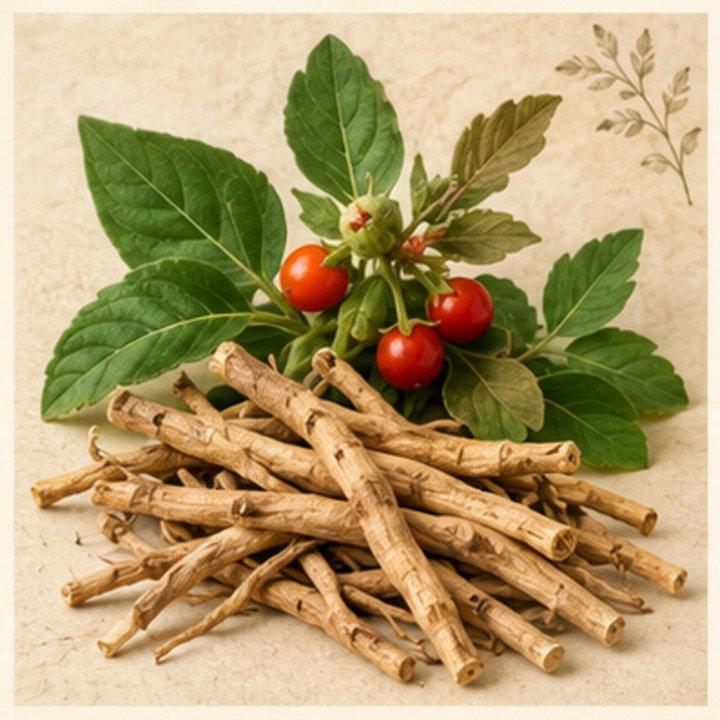
Withania somnifera
Ashwagandha is an Ayurvedic root supplement studied for stress, anxiety and sleep. Trials are generally small and use standardized extracts.
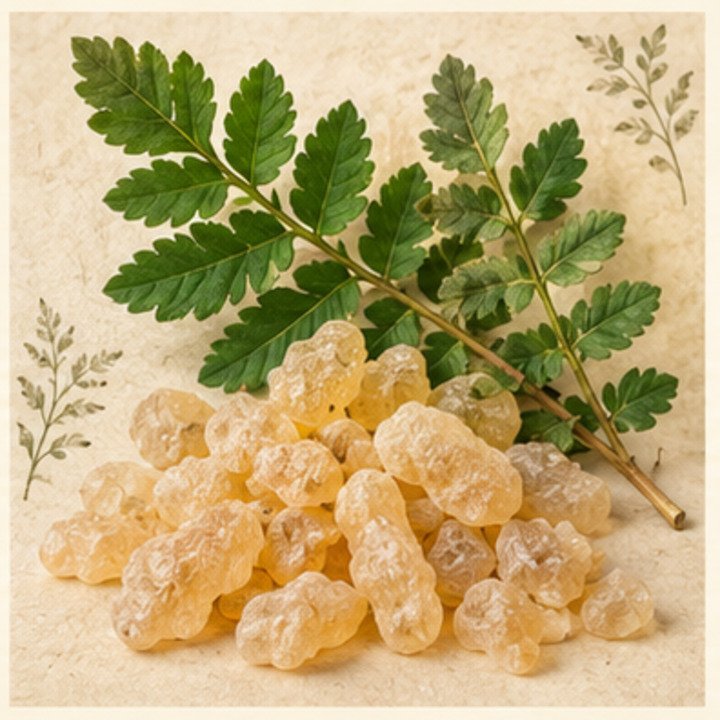
Boswellia serrata
Boswellia resin is used in Ayurveda. Standardized extracts have been investigated mainly for inflammation and osteoarthritis symptoms.
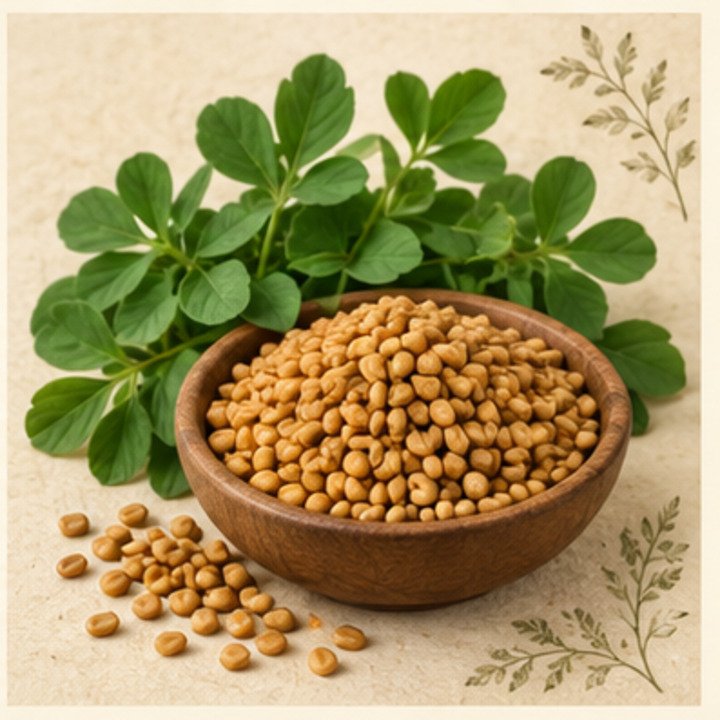
Trigonella foenum-graecum
Fenugreek leaves and seeds are widely used as food. Supplements have been studied for blood-sugar control and several other traditional uses.
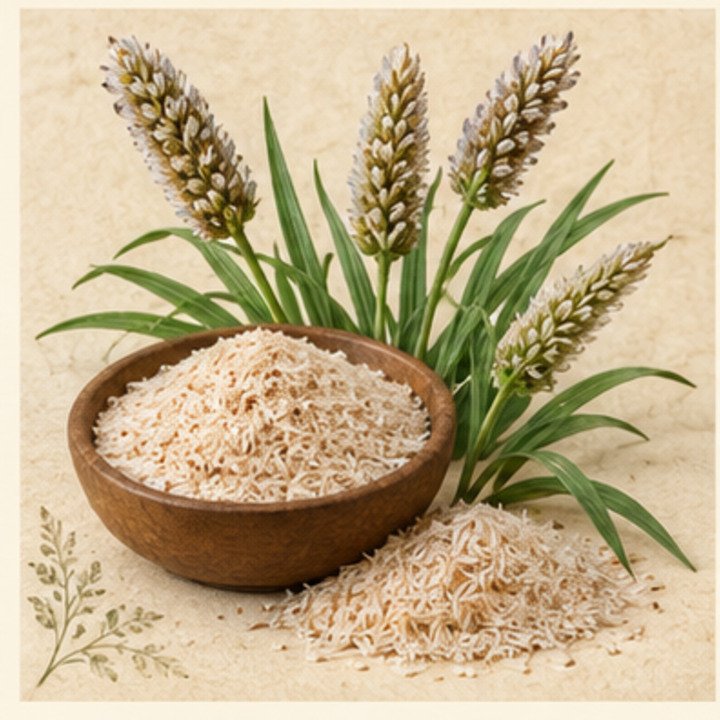
Plantago ovata
Psyllium husk is a soluble fibre traditionally used for bowel regularity. It can also contribute to cholesterol and blood-glucose management.
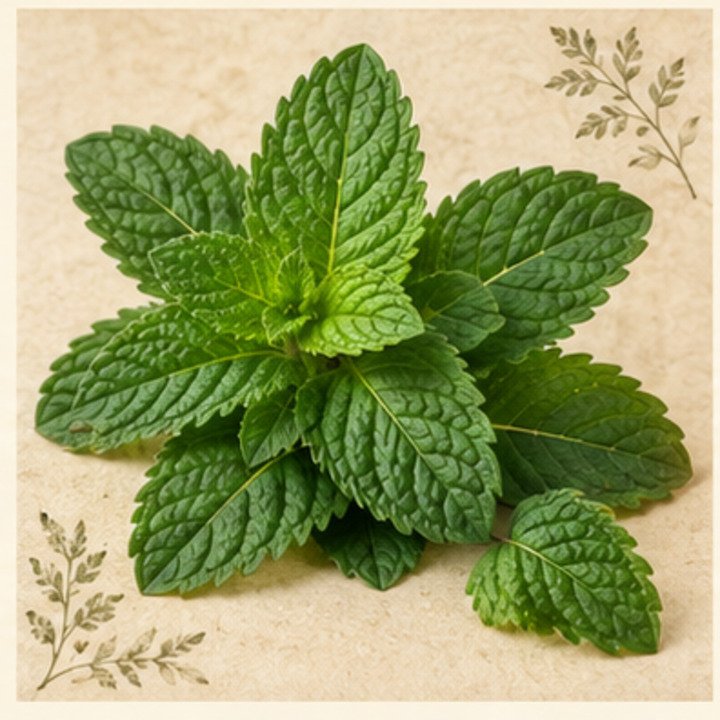
Mentha × piperita
Peppermint leaves are used as tea and food. Enteric-coated peppermint oil capsules have been studied for irritable bowel syndrome symptoms.
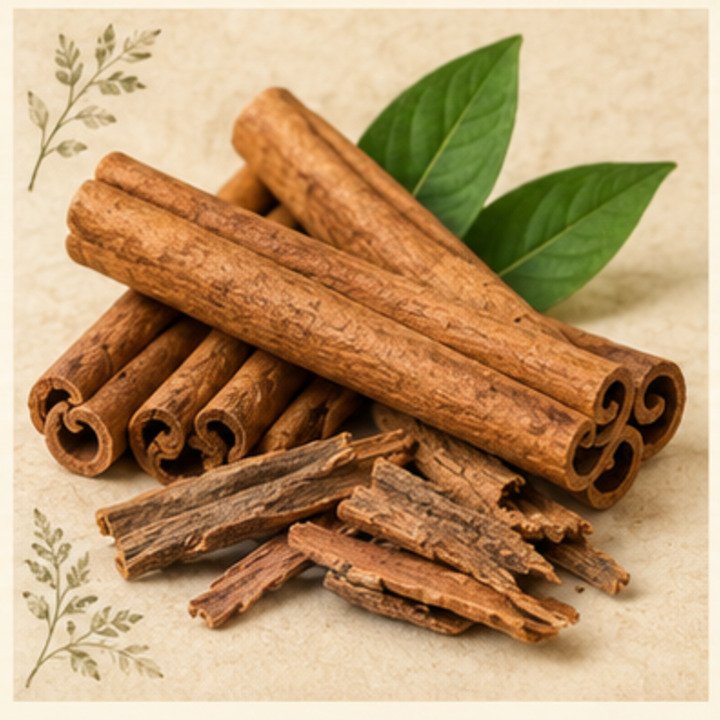
Cinnamomum species
Cinnamon is a culinary spice with a long traditional history. Supplements are often promoted for blood sugar, but research results are inconsistent.
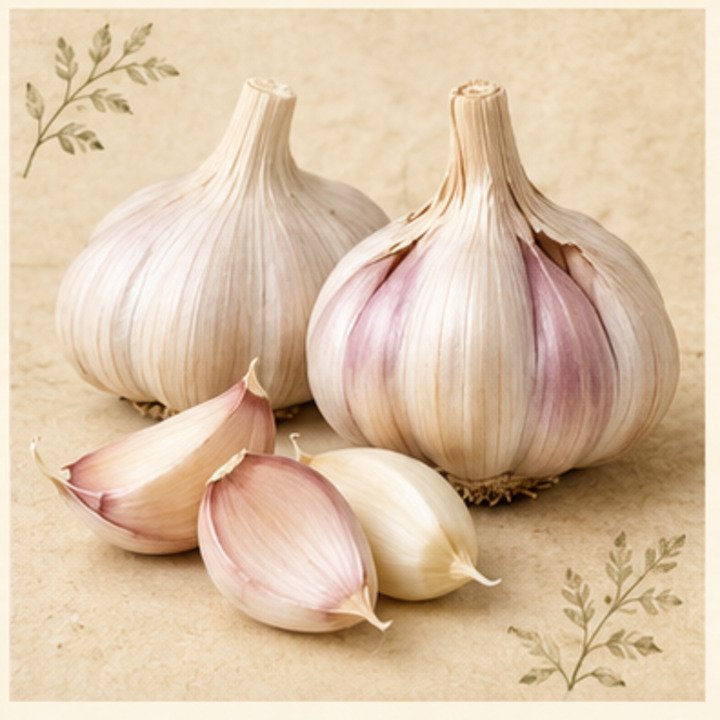
Allium sativum
Garlic is central to many cuisines and is also sold as aged extracts, oils and tablets. Research has examined cholesterol and blood pressure.
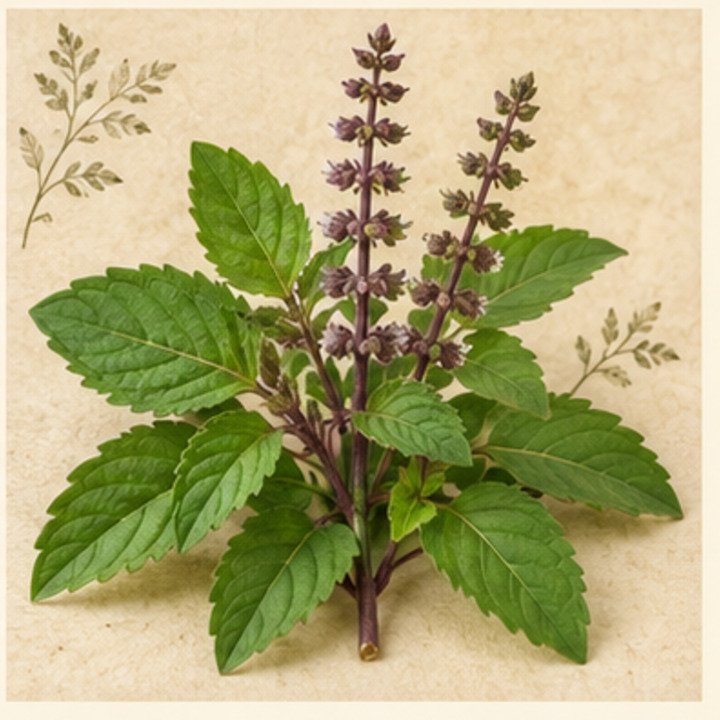
Ocimum tenuiflorum
Tulsi is culturally important and traditionally used as tea and in Ayurvedic wellness practices. High-quality human clinical evidence is still limited.